
Key Takeaways
- Familiarize yourself with the most prevalent custody disputes in New Hampshire.
- Adopt actionable tactics to prevent and address these issues early.
- Recognize the value of professional legal assistance in complex custody matters.
Table of Contents
- Parental Alienation
- Coercive Control
- Failure to Comply with Court Orders
- Communication Breakdowns
- Lack of a Comprehensive Parenting Plan
- Social Media Missteps
- Frequently Asked Questions
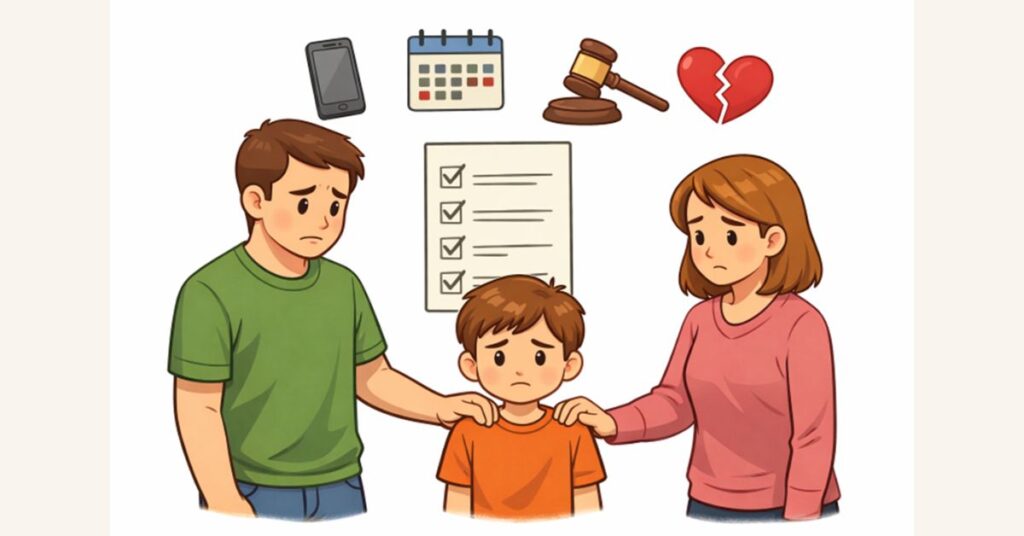
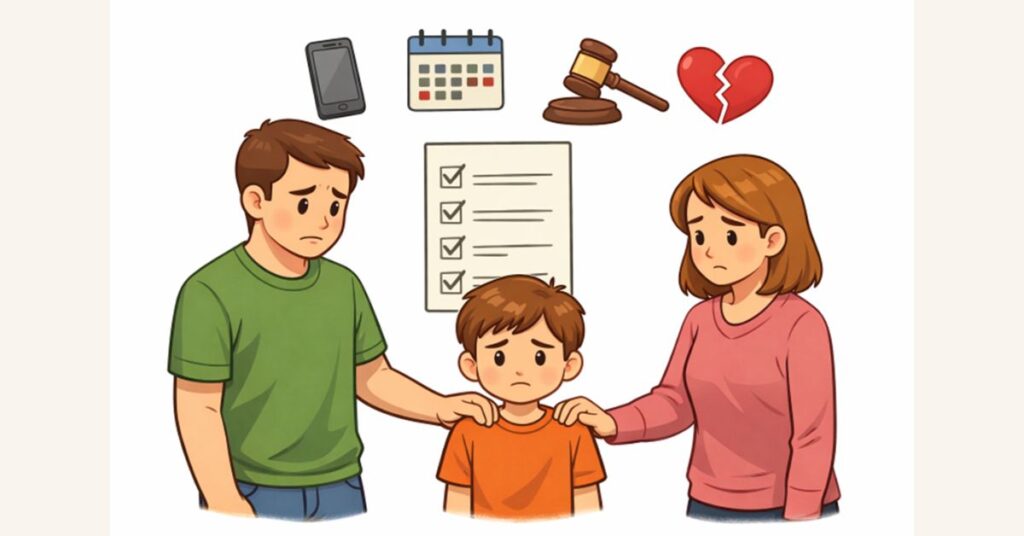
Child custody conflicts in New Hampshire are among the most stressful challenges parents face during divorce or separation. The emotional stakes are high, and the legal landscape can feel overwhelming. Recognizing the common custody disputes and learning how to avoid them is essential for parents who want to protect their children, minimize drama, and secure a fair outcome. For those navigating these issues, seeking advice from an experienced New Hampshire parenting plan lawyer can offer clarity and customized strategies.
A wide range of behaviors, misunderstandings, and legal missteps can derail custody arrangements. Disputes not only impact the parents but also place unnecessary strain on children, risking their emotional and psychological well-being. A detailed understanding of these disputes and proactive planning can make the difference between chronic conflict and successful co-parenting. Equipping yourself with information and adopting a child-centered approach will lay the groundwork for a healthier dynamic for everyone involved.
New Hampshire law prioritizes the best interests of the child, making it crucial for parents to act in ways that support their development and security. While the state provides structured guidelines, every custody case is unique. The strategies outlined below can help you avoid the most common sources of contention, reduce your legal exposure, and create a secure environment for your children.
Even with the best intentions, custody conflicts can arise if communication breaks down or the parenting plan is unclear. By understanding what commonly goes wrong, you will be better prepared to keep disputes out of court whenever possible and resolve disagreements through negotiation or mediation. Additional guidance can be found through the American Bar Association’s Family Law resources, which offer national perspectives and tips on managing family law disputes.
Parental Alienation
Parental alienation is a distressing phenomenon where one parent manipulates a child to reject or criticize the other parent without legitimate cause. It can develop slowly and is frequently overlooked until relationships are deeply damaged. In New Hampshire, courts take this issue seriously, recognizing that alienation reduces a child’s ability to maintain meaningful relationships with both parents and can have lifelong effects. Addressing it early, either through direct communication or with the help of a mental health professional, can prevent it from becoming entrenched. For ongoing updates about local legislation regarding parental alienation, NHPR covers recent developments and community responses here.
Coercive Control
Coercive control encompasses repetitive behaviors, such as isolation, intimidation, and manipulation, that can extend after the relationship ends. In and of itself, it may appear as relentless demands or as sabotaging a co-parent’s authority. Evidence of coercive control can weigh heavily in family law proceedings, influencing custody decisions in favor of the safer, healthier parent. Recognizing warning signs, such as persistent criticism, restrictions on visitation, or undermining the other parent’s credibility, empowers both individuals and their legal teams to present a strong case to the court.
Failure to Comply with Court Orders
When a parent disregards court-ordered custody or visitation arrangements, disputes escalate quickly. Such non-compliance can result in lost trust, mounting legal costs, and even changes in custody or court-imposed sanctions. Parents should document violations promptly and seek legal intervention when necessary. Compliance with court orders supports children’s stability and demonstrates to the court a genuine commitment to their welfare. Communication and timely negotiation can often address minor problems before they spiral into legal battles.
Communication Breakdowns
Poor or hostile communication between co-parents can make resolving everyday issues nearly impossible. Misunderstandings fester and resentment builds when information about school, health, or extracurricular activities is not exchanged openly. Establishing structured communication methods, such as shared online calendars or co-parenting communication apps, greatly reduces misunderstandings. Clear guidelines and mutual respect protect both parents from unnecessary friction and ensure that the child’s well-being remains at the center of every decision.
Lack of a Comprehensive Parenting Plan
Disputes are more likely when a parenting plan is vague or incomplete. New Hampshire courts stress the importance of thorough plans that cover residential schedules, holidays, decision-making responsibilities, transportation, and protocols for resolving disagreements. Failing to address these points in writing leaves room for interpretation and conflict. Parents are encouraged to revisit and revise plans as children grow or circumstances change, and to seek professional mediation when collaboration becomes difficult.
Social Media Missteps
Air grievances regarding custody on social media, and you risk harming your case in family court. Posts can be interpreted as evidence of parental alienation, poor judgment, or inability to prioritize the child’s best interests. Parents should keep disputes private, avoid negative online commentary, and approach disagreements through legal channels or trusted advisors. Courts increasingly consider online activity when making custody decisions, so discretion is essential. Further reading on how your digital presence can affect custody cases can be found in a New York Times article on modern family law challenges.
Frequently Asked Questions
What steps can I take to prevent parental alienation?
Communicate respectfully with your co-parent, never disparage them in front of your child, and consult with therapists or mediators if you notice signs of alienation. Documentation and involvement of credible professionals can help if court intervention becomes necessary.
How can I ensure compliance with court-ordered custody arrangements?
Understand every aspect of your court order, maintain detailed records of exchanges and missed visits, and respond proactively to problems. When in doubt, discuss concerns with your attorney before acting.
What should be included in a comprehensive parenting plan?
A strong plan should detail the regular schedule, holidays, drop-off logistics, authority for educational and medical decisions, and procedures for modifying the plan when changes are needed. Including specifics eliminates confusion for both parents and children.
Is it advisable to discuss custody issues on social media?
No. Publicly addressing custody matters online can undermine your credibility and be used against you as evidence. Keep all discussions private and professional, involving your legal counsel when appropriate.
New Hampshire parents who understand the roots of custody disputes and proactively address them are better able to support their children’s happiness and stability during and after separation. Preparation, communication, and the right legal guidance can prevent most conflicts and ensure your child’s best interests remain the top priority.