
Key Takeaways
- Pennsylvania personal injury laws set the framework for compensation after an injury caused by someone else.
- Timely action and legal guidance are crucial for protecting your rights in a personal injury claim.
- The state follows specific rules on fault, damages, and deadlines that every claimant must understand.
Table of Contents
- What Is Personal Injury Law?
- Common Types of Personal Injury Cases in Pennsylvania
- How Fault Works in Pennsylvania
- The Role of Insurance in Personal Injury Claims
- Key Deadlines and Statutes of Limitations
- Steps to Take After an Injury
- Should You Hire a Lawyer?
- Conclusion
What Is Personal Injury Law?
Personal injury law in Pennsylvania allows individuals who have been injured due to another party’s actions or negligence to seek compensation for their damages. The law covers incidents ranging from vehicle accidents to slip-and-falls to medical malpractice. These rules are designed to both protect injury victims and ensure fairness in the legal process. Understanding your rights under Pennsylvania law is key, and the quinnlawyers website offers more detailed guidance.
Victims may be eligible for compensation that covers medical expenses, property damage, lost wages, and pain and suffering. However, navigating a personal injury case on your own can be complicated. State laws and court procedures can present obstacles, so it is wise to be informed before proceeding. Personal injury cases involve “tort” law, which governs civil wrongs that cause harm or loss. The plaintiff (the injured person) must show that the defendant had a duty of care, breached that duty, and caused the resulting injury. These elements form the backbone of every successful personal injury case. Pennsylvania’s unique legal framework means that outcomes can vary depending on the type of accident and the evidence available. Legal professionals familiar with state law can help you maximize your chances of receiving fair compensation.
Common Types of Personal Injury Cases in Pennsylvania
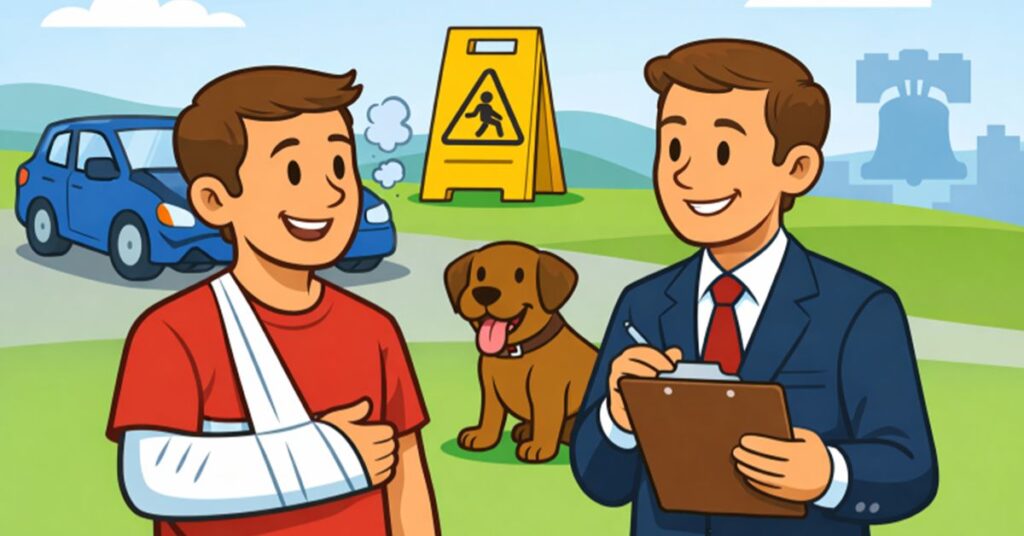
Some of the most frequent personal injury cases in Pennsylvania stem from car accidents, truck collisions, pedestrian injuries, slips and falls, dog bites, and medical errors. Motor vehicle crashes, in particular, are governed by a combination of state traffic laws and complex insurance requirements. According to NOLO’s resource on Pennsylvania personal injury law, premises liability cases (such as slip-and-fall accidents) are also common, especially during icy winters. Medical malpractice claims can arise when a healthcare professional’s negligence leads to harm. These cases typically require detailed medical evidence and expert testimony due to the technical nature of the injuries involved. Additionally, product liability cases can arise when manufacturers release faulty products that cause injuries.
How Fault Works in Pennsylvania
Pennsylvania follows a “modified comparative negligence” standard. This means you can recover damages even if you are partly at fault for your injury, as long as your share of the blame is not greater than the defendant’s. However, your compensation will be reduced by the percentage of fault you bear. For instance, if a court found you 20 percent responsible for a car accident but awarded you $100,000 in damages, you would actually receive $80,000. The state also has unique auto insurance laws. Drivers can choose between “limited tort” and “full tort” coverage. Limited tort restricts your ability to recover damages for pain and suffering unless your injury is considered serious, while full tort allows broader compensation.
The Role of Insurance in Personal Injury Claims
Insurance companies play a major role in personal injury cases, especially after car accidents and property-related injuries. Most claims start with an insurance filing, then proceed to litigation if a fair settlement cannot be reached. Adjusters will investigate the incident, assess liability, and typically offer a settlement based on their findings. Victims should be cautious, as initial insurance offers may not fully compensate for all losses. Understanding how to negotiate with insurers or when to escalate to legal action can make a significant difference in the outcome of your claim. Experienced attorneys can analyze offers and negotiate for more appropriate settlements when necessary.
Key Deadlines and Statutes of Limitations
Timing is crucial in Pennsylvania personal injury cases. The state’s statute of limitations is usually two years from the date of injury. If you do not file your lawsuit within this period, you may lose your right to recover damages. In certain cases involving minors or government entities, different deadlines might apply. It is essential to act quickly and consult with a qualified attorney if you are unsure how these rules affect your case.
Steps to Take After an Injury
If you have suffered a personal injury, you should prioritize your health first by seeking medical attention immediately. Documenting your injuries with medical records, photos, and witness statements can strengthen your claim. You should also notify insurance providers promptly and keep detailed notes of all communications. Avoid admitting fault or discussing settlement terms before getting legal advice. Consulting a lawyer early helps ensure you follow the correct procedures and protects your rights from the start.
Should You Hire a Lawyer?
While Pennsylvania law does not require hiring an attorney for a personal injury claim, having professional legal representation can greatly enhance your chances of success. An experienced lawyer understands state-specific regulations and has the skills needed to counter insurance industry tactics. Legal counsel can gather evidence, negotiate settlements, and represent you in court if necessary.
Many personal injury lawyers offer free consultations and only collect a fee if you win your case, making it easier to access legal expertise regardless of your financial situation.
Conclusion
Navigating the complexities of Pennsylvania’s personal injury laws requires careful attention to fault, insurance, and strict legal deadlines. By understanding how the law applies to your unique situation, acting quickly, and seeking experienced legal help, you can pursue the compensation you deserve. Staying informed and taking the right steps empowers you to rebuild your life after an injury.