
Wigs function as effective solutions for hair loss or aesthetic alteration, requiring specific maintenance protocols to retain their structure. Neglecting these care standards may lead to degradation of the fiber, whether the material is synthetic or human hair. Proper handling extends the unit’s lifespan and maintains a natural appearance over time. Here is more information on how to care for your wigs:
What Are Wigs?
Wigs are prosthetic head coverings made from human hair or synthetic fiber, and they are designed to cover the entire scalp. These devices mimic natural hair growth patterns to alter the wearer’s appearance without manipulating their biological hair. Manufacturers construct these units using a base material to which hair strands are attached.
These units are classified into two primary categories based on fiber origin and construction method. Human hair wigs offer a natural look and feel, whereas synthetic wigs retain their style. Consulting a hair stylist helps determine which option is right for each situation.
What Does the Process Involve?
The acquisition process begins with a consultation to determine the appropriate material, cap size, and desired style for the user. A specialist measures the head’s circumference, which verifies that the fit is secure to prevent slippage. Once a unit is selected, it typically requires customization, such as trimming the excess lace or cutting the hair to frame the face correctly. Following the initial fitting, the user learns the specific attachment methods required for their chosen wig type.
What Are the Benefits?
One advantage of wearing a wig is the ability to protect biological hair from environmental stressors and heat damage. By keeping natural hair braided or wrapped under the cap, the wearer avoids manipulation that can lead to breakage or split ends. This protective style facilitates healthy growth, provided the scalp remains clean and moisturized beneath the unit.
Wigs offer immediate versatility in color, length, and texture, but they do not require chemical processing of the natural hair. Individuals can switch between a short bob and long layers instantly, avoiding the permanence of cutting or dyeing their own follicles. This flexibility is beneficial for those who require a professional appearance during the day and a different aesthetic for social engagements.
How Should You Care for Wigs?
Maintenance requirements vary depending on whether the wig is composed of synthetic fibers or human hair. Synthetic units typically retain their style after washing, but they are sensitive to friction and heat sources. Human hair wigs require hydration and styling similar to biological hair, meaning they must be conditioned regularly to prevent dryness.
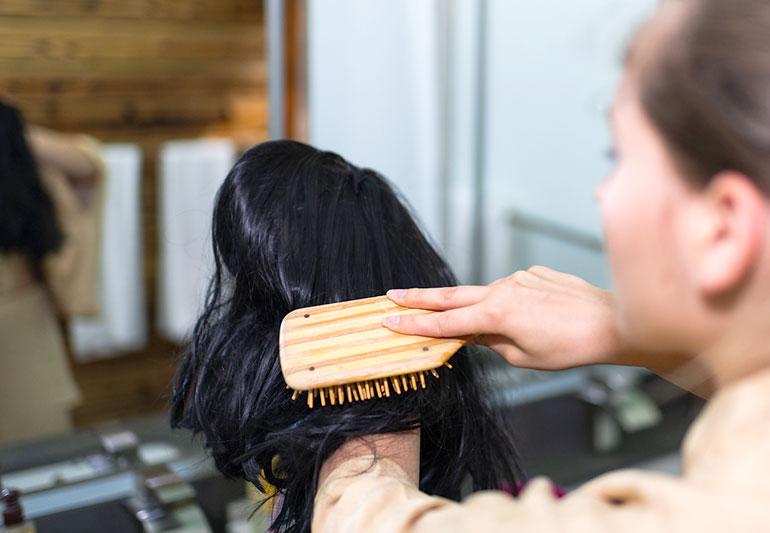
Washing protocols recommend using cool water and specialized shampoos to cleanse the fibers gently. Submerging the wig and agitating the water removes detailed buildup, but scrubbing the fibers vigorously can cause irreversible tangling. After rinsing, the unit should be placed on a stand to air dry, preserving the shape of the cap construction. Additional tips include:
- Use a wide-tooth comb to detangle strands from the ends, moving upward.
- Store the wig on a mannequin head or in a silk bag away from direct sunlight.
- Avoid using standard hairspray or gels that leave heavy residues on the fibers.
- Apply heat protectant sprays before using any thermal styling tools on human hair units.
Consult a Hair Stylist Now
Professional guidance is a reliable resource for troubleshooting fit issues or maintenance questions regarding hair systems. A certified stylist makes necessary adjustments to the cap, and they can repair minor damage to the hair fibers. Contact a local salon today to schedule a consultation for personalized wig care advice.