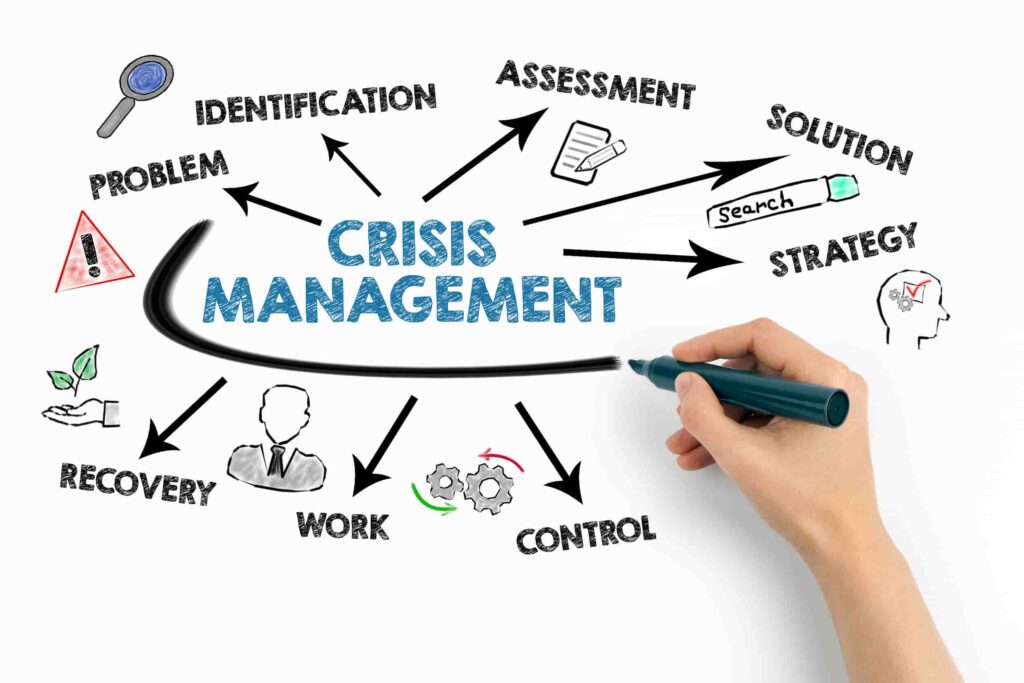

In an era of rapid information flow, organizations and their leaders face unexpected situations that can threaten reputations and trust at any time. No matter the size or industry, preparing for a crisis is essential for long-term stability and success. Having strong crisis communication processes is a crucial part of this preparation, helping organizations manage challenges with clarity and confidence. When addressing a crisis, leveraging expert public affairs services can provide invaluable guidance for an effective response that protects your brand and supports stakeholder relationships.
Communicating quickly, honestly, and empathetically reassures your audience that you are in control, while regular planning ensures you can act with confidence under pressure. By adapting to real-time developments and engaging transparently on multiple platforms, organizations can avoid compounding issues and demonstrate leadership during difficult periods. Implementing a solid crisis management framework not only addresses immediate concerns but also lays the foundation for rebuilding credibility after the crisis has passed.
Robust monitoring and consistent post-crisis reviews turn every challenge into an opportunity for improvement. Strategic planning, transparency, and continuous learning help organizations navigate adversity and emerge stronger on the other side. Reliable crisis communication is a critical skill that all organizations should prioritize.
Understanding Crisis Communication
Crisis communication is the process by which organizations collect, process, and distribute relevant information to address and resolve sudden challenges. It is a distinct area within public relations focused on protecting an organization’s reputation and the ongoing trust it has built with its stakeholders. Common types of crises include product recalls, internal scandals, cyber-attacks, and natural disasters. Mishandling any of these situations risks public backlash and lasting damage, which is why a focused communication strategy is so important. According to a Harvard Business Review guide, effective crisis communication begins with clear objectives and coordinated messaging to avoid confusion and misinformation.
Preparing a Crisis Communication Plan
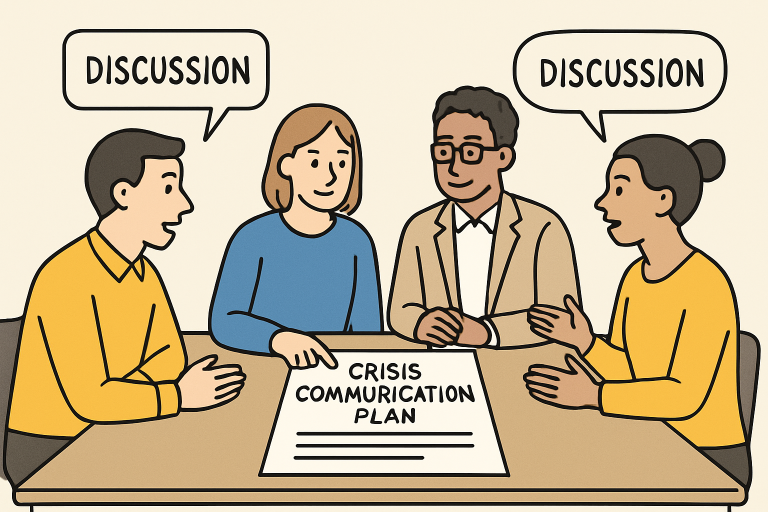
Having a practical crisis communication plan allows organizations to respond to the unpredictable in a consistent and considered way. Well-developed plans generally include the following elements:
- Risk Assessment: List likely crisis scenarios that could threaten the organization, ranging from operational disruptions to issues of public perception.
- Response Strategies: Draft responses for each identified risk, assigning roles and responsibilities for key decision-makers and spokespersons.
- Communication Channels: Specify which platforms (press releases, social media, internal emails) will be used for rapid updates and ongoing communication.
- Spokesperson Training: Equip your spokespeople with the skills to address the public and media calmly and accurately during high-pressure events.
Continual review and practice drills help ensure the plan is actionable and up to date, positioning your team to act without hesitation. Drawing on professional frameworks, such as those provided by the Centers for Disease Control and Prevention, can add proven strategies to your plan and make it even more effective.
Responding Quickly and Transparently
During a crisis, it is crucial to act swiftly and maintain transparent communication to prevent public sentiment from turning negative. Immediate response steps include: promptly making a first statement to influence the narrative, ensuring honesty by sharing accurate information and correcting mistakes, and expressing empathy towards those affected while outlining remedial actions. The 1982 Tylenol crisis is often cited as a prime example; Johnson & Johnson swiftly conducted a nationwide recall and fostered open communication with the public, which helped restore brand safety and trust.
Leveraging Social Media
Social media has revolutionized crisis communication by allowing organizations to address concerns swiftly and engage directly with stakeholders. The advantages include immediate information flow, facilitating quick updates that reach the public and media within minutes. It also fosters interactive engagement, enabling two-way communication to address questions and reduce anxiety among stakeholders. Furthermore, sentiment tracking through hashtags, comments, and shares provides real-time feedback that helps shape ongoing messaging and mitigate misinformation. However, the rapid pace of social media also presents risks; missteps can be amplified, and inaccuracies spread if not managed cautiously.
Monitoring Media and Public Sentiment
Active monitoring of news coverage and social media keeps organizations aware of the evolving public response and helps them quickly adapt communications as conditions change. News aggregator tools, social listening software, and direct stakeholder feedback reveal trends and potential threats, ensuring that responses remain relevant throughout the crisis. Recognizing shifts in sentiment provides insight into public concerns and expectations, guiding the tone and content of official updates.
Post-Crisis Evaluation
To facilitate learning and improvement after a crisis, a comprehensive review is essential. This should involve assessing the response to evaluate strengths and weaknesses, gathering honest feedback from staff and stakeholders, and updating the crisis plan with lessons learned and best practices. Maintaining effective communication and fostering a resilient organizational culture are crucial for navigating future crises successfully. Organizations that employ flexible communication strategies and prioritize transparency are better equipped to retain community support and trust as they prepare for unexpected challenges.
Conclusion
Effective crisis communication involves not only a timely reaction but also thorough preparation, responsive action, and post-incident learning. It requires a clear plan based on risk assessment, role definition, and reliable communication channels to enable decisive actions under pressure. Transparent, empathetic messaging is crucial for maintaining credibility and stakeholder trust. Organizations can enhance their responses and resilience by leveraging social media, monitoring public sentiment, and conducting detailed post-crisis evaluations. Ultimately, the focus lies in preserving relationships; through honesty, coordination, and a commitment to continual improvement, organizations can better navigate challenges and emerge with increased trust and strength.