
Key Takeaways
- Non-ferrous metals resist corrosion, feature high conductivity, and are crucial for everyday life and industry.
- Key types include aluminum, copper, lead, zinc, nickel, and tin, each with specialized uses.
- Widespread in sectors such as construction, electronics, transportation, and healthcare.
- Recycling saves energy and preserves resources, supporting environmental sustainability.
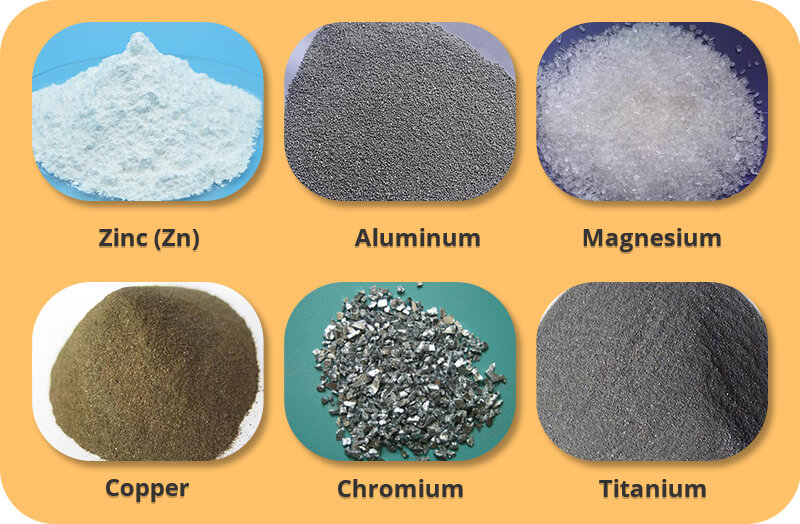
Non-ferrous metals play a crucial role in modern life, shaping the tools, devices, and structures we rely on daily. Because these materials do not contain iron, they resist rust and offer unique properties, including lightweight strength, excellent conductivity, and impressive malleability. From electrical wiring to interior fixtures, these metals support both industrial applications and household needs, making them indispensable across various sectors.
Understanding how these materials are used also highlights the importance of responsible resource management. Many communities and industries now recognize the value of non-ferrous metal scrap recycling for copper, brass, and aluminum, as reprocessing these materials conserves natural resources and reduces waste. Whether found in plumbing components, automotive parts, or kitchenware, these metals continue to demonstrate their versatility and long-term usefulness. Appreciating their roles in everyday environments provides a clearer perspective on why they remain vital in both manufacturing and sustainability efforts.
Aluminum
Aluminum is well-known for being lightweight, strong, and non-corrosive. Its abundance and easy formability make it a prime material for transportation industries, where weight reduction means greater fuel efficiency in cars, airplanes, and trains. Homes and offices also feature aluminum in window frames, roofing, and soda cans, thanks to its durability and attractive finish. Recycling aluminum conserves approximately 95% of the energy required to produce new metal, significantly reducing carbon emissions and manufacturing costs.
Copper
Copper stands out for its superior electrical and thermal conductivity, making it crucial for electrical wiring, power generation, and transmission. Besides its role in infrastructure, copper is also fundamental in plumbing and heating systems due to its antimicrobial properties. In modern technology, copper plays a crucial role in the renewable energy sector, particularly in wind turbine coils and solar panel circuitry. Copper recycling is highly effective, with enough copper reclaimed annually to equate to over 30,000 Statue of Liberty statues, highlighting the value and practicality of recycled copper.
Lead
Known for its density and ability to absorb radiation, lead’s primary use is in batteries, particularly for vehicles and backup power systems. Due to its toxicity, strict regulations govern its use, particularly in the plumbing and paint industries. In the medical field, lead shields are critical for radiation protection during X-rays and other imaging procedures. Recycling lead from spent batteries is crucial in keeping this material out of landfills and lowering environmental risks.
Zinc
Zinc is most commonly used as a protective coating for steel and iron through galvanization, which prevents corrosion and extends the lifespan of bridges, buildings, and vehicles. Additionally, zinc is found in die-cast products, batteries, and health supplements, where its biological role is vital for human well-being. Its eco-friendly qualities make zinc-coated products highly recyclable and sustainable for a range of industrial and domestic applications.
Nickel
Valued for its enhancement of strength and corrosion resistance, nickel is a key component in the production of stainless steel. In addition to kitchen appliances and medical tools, nickel alloys are indispensable in high-temperature environments, such as those found in chemical plants and jet engines. Its role in rechargeable batteries—especially for electric vehicles—grows in tandem with the demand for green energy. Nickel’s intrinsic value and robust recyclability position it favorably as industries seek durable, low-maintenance materials.
Tin
Tin is primarily used as a thin coating to protect other metals, such as steel, in food cans, thereby blocking corrosive processes. It forms key alloys—like bronze and solder—which are used in electronics and joinery due to tin’s malleability and safe, non-toxic nature. In food preservation, tin-plated cans ensure that packaging is safe for consumables and can be recycled with minimal processing.
Recycling Non-Ferrous Metals
Recycling non-ferrous metals promotes sustainable practices by lowering the need for mining, refining, and energy consumption. Unlike ferrous metals, non-ferrous metals retain their properties after recycling. Approximately 75% of all aluminum ever produced remains in use, highlighting the durability of recycled materials. Transitioning to a circular economy relies on effective recovery and reuse, which are essential for conserving resources and addressing climate change.
Final Thoughts
Non-ferrous metals continue to demonstrate remarkable versatility, combining durability, conductivity, and resistance to corrosion in ways that support both industrial and everyday applications. From transportation and construction to electronics and healthcare, these metals are integral to modern life, providing solutions that strike a balance between performance and sustainability. Understanding their properties and uses not only highlights their importance but also underscores the value of responsible management and recycling practices, ensuring these resources remain available for future generations.