

Key Takeaways
- Staging Sells Faster: Professionally staged homes typically spend less time on the market.
- Higher Offers: Strategic staging can increase sale prices by helping buyers form emotional connections.
- Focus on Key Rooms: Living rooms, primary bedrooms, and kitchens deliver the greatest impact.
- Strong ROI: The cost of staging is often outweighed by substantial financial returns.
- Avoid Common Mistakes: Neutral decor, minimal clutter, and minor repairs are essential for success.
Introduction
Selling a home in today’s competitive market requires more than just a “For Sale” sign in the yard. Professional home staging is rapidly emerging as one of the most effective strategies for homeowners seeking to maximize their property’s potential and achieve a faster sale. By transforming a lived-in or empty space into a visually compelling product, staging sparks buyer interest and encourages higher offers. For sellers hoping to streamline the process, resources such as https://www.theturnerhometeam.com/sell-my-house-fast-gastonia/ can connect them with experts who understand the nuances of quick and profitable sales.
In a market where buyers form first impressions within seconds, professional staging plays a vital role. Well-staged homes not only photograph better, but they also allow buyers to emotionally connect with each room as they visualize their own life unfolding there. This competitive edge can make all the difference when time is of the essence, and the goal is top dollar.
Understanding Home Staging
Home staging is the art and science of presenting a property in its best possible light. It involves arranging furniture, decor, and even lighting to enhance the space’s strengths and minimize any weaknesses. The process can range from simple decluttering and accessorizing to full-scale furnishing for vacant homes. Professional stagers and experienced real estate teams, like Turner Home Team, evaluate a property’s layout, focal points, and lighting to create an atmosphere that appeals to the broadest pool of potential buyers.
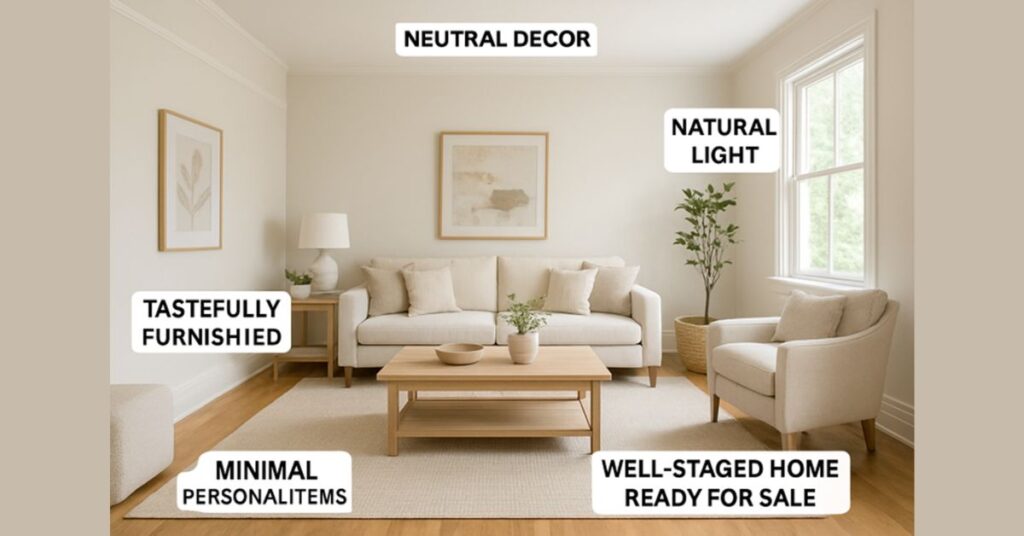
Staging draws attention to architectural features and makes spaces appear larger, cleaner, and more welcoming. It is as much about what is removed as what is added; over-crowded or overly personalized rooms can deter buyers who find it difficult to project their own style onto the home.
Impact on Sale Price and Market Time
The influence of professional staging on both sale price and time on market is well documented. According to the National Association of Realtors (NAR), almost one-third of agents observed offers increased by 1% to 10% thanks to staging, while almost half reported quicker sales. This increase can mean thousands of extra dollars on the table for sellers and less stress of a prolonged listing. Staged homes, according to Forbes, allow buyers to emotionally invest in the space, which is a key driver for making competitive offers.
Reduced market time not only means less inconvenience for the seller, but it often translates into a stronger negotiating position. When a home lingers on the market, buyers may sense desperation or believe something is wrong with the property, which can lead to lower offers.
Key Areas to Focus On
While staging an entire home is beneficial, certain spaces have a disproportionate impact on buyer perceptions and emotions.
- Living Room: This space serves as a home’s main showroom and often sets the tone for the entire tour. A thoughtfully arranged living room fosters a warm first impression and invites guests to linger.
- Primary Bedroom: Buyers place a premium on serenity and comfort here. Crisp bedding, structured lighting, and clutter-free surfaces conjure a restful retreat.
- Kitchen: As the functional and social heart of the home, a kitchen must exude cleanliness and offer convenience to satisfy even the pickiest buyers.
Focusing staging resources on these primary spaces ensures the home makes a memorable impact as soon as buyers walk through the door, increasing the likelihood of a positive reaction throughout the rest of the property.
Cost vs. Return on Investment
Professional staging does require an initial outlay, but the return on investment often far exceeds the cost. The Real Estate Staging Association (RESA) found the average investment in staging is around $3,851, with typical returns nearing 3,551%—that is, for every $1 spent on staging, sellers can expect an average return of $35. These results hold true across both hot and cool markets, underscoring staging’s value as a proactive measure rather than an unnecessary expense. According to a New York Times report, staging has evolved into a must-have strategy for sellers who want to compete in any market.
Virtual Staging: A Modern Alternative
For vacant properties or those with outdated furnishings, virtual staging offers a digital solution. By adding or enhancing furniture, decor, and even landscaping in photographs, virtual staging gives buyers a sense of a home’s full potential. This technique is particularly effective in online listings, where striking images can draw more foot traffic to open houses or private showings, all while costing a fraction of traditional physical staging.
As virtual tours and digital marketing become increasingly important in real estate, virtual staging offers an affordable option for sellers on a tight budget or timeline.
Common Staging Mistakes to Avoid
- Over-Personalization: Staging should appeal to the majority, not reflect highly specific tastes. Keep artwork, personal photos, and unique collectibles to a minimum so buyers feel the space could be their own.
- Clutter: Clear out unnecessary furnishings and personal items to spotlight the home’s spaciousness and let its best features shine.
- Ignoring Repairs: Even minor fixes matter. Squeaky doors, chipped paint, or leaky faucets can undermine buyer confidence and detract from the property’s overall appeal.
Avoiding these pitfalls ensures the effort and cost of staging pay off in buyer motivation and competitive offers.
Final Thoughts
Professional staging is a proven method for accelerating home sales and maximizing returns. By highlighting a property’s strengths, focusing on high-impact areas, and sidestepping common mistakes, sellers can create an inviting, memorable environment that resonates from the first showing onward. Whether opting for hands-on or virtual staging, investing in this process is a strategic move for today’s real estate market.