
Key Takeaways
- Human-machine teaming leverages the strengths of human judgment and machine precision for optimal defense outcomes.
- Strategic integration hinges on overcoming technical, ethical, and procedural challenges unique to the defense sector.
- Innovative experiments and real-world deployments reveal dramatic improvements in mission safety and effectiveness.
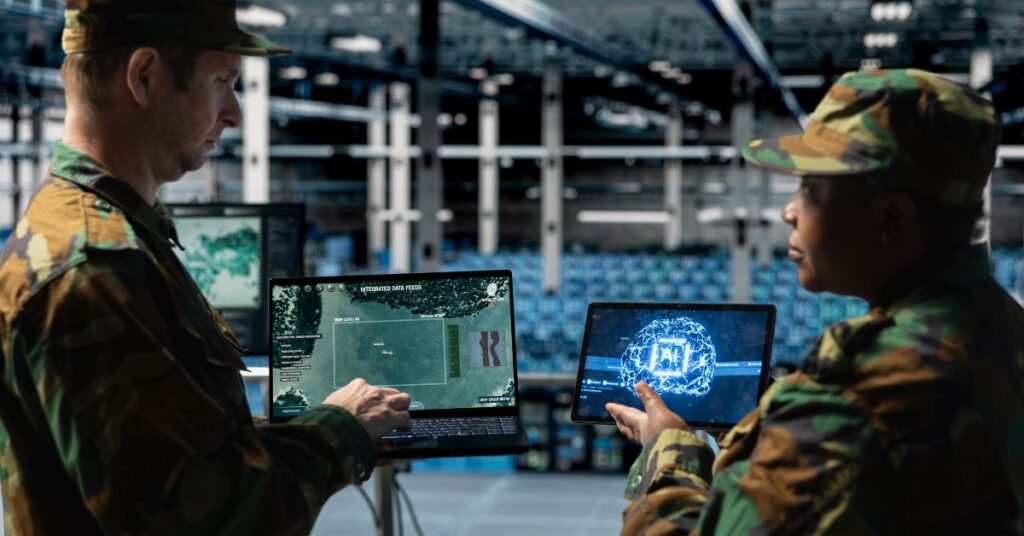
Modern defense is rapidly evolving through human-machine teams, reshaping strategies and operational safety. Combining machine autonomy with human intuition, military efforts aim for safer, more reliable missions. AI defense tech exemplifies integrating new tech with protocols to boost performance and cut risks in real environments. This blend of human intelligence and AI enhances force protection and revolutionizes mission planning and execution. By adopting advanced tech and promoting teamwork, the defense sector advances efficiency, situational awareness, and risk mitigation across various fields, including logistics and threat detection, marking a paradigm shift in operational models and decision-making.
Understanding Human-Machine Teaming
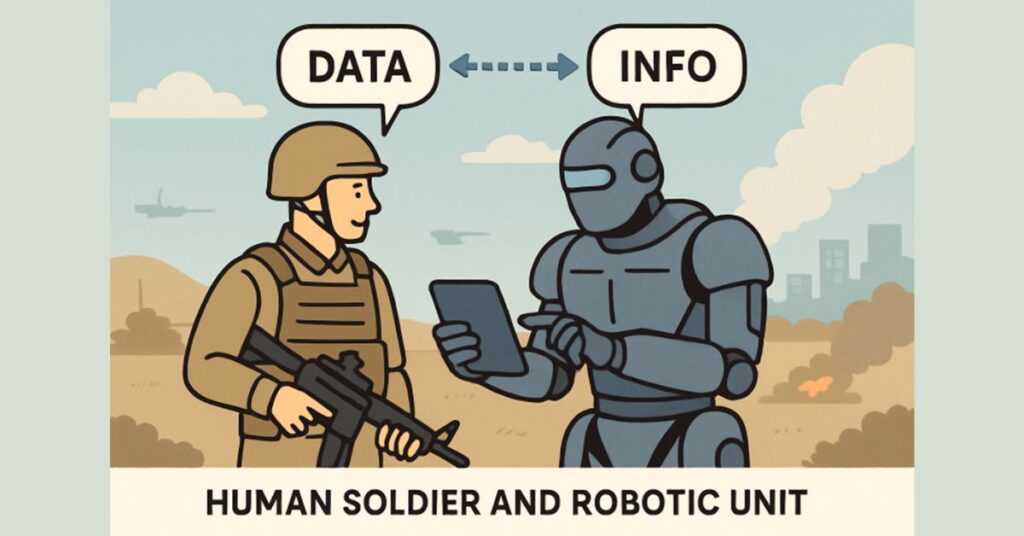
Human-machine teaming describes a sophisticated operational collaboration in which both human agents and autonomous systems, such as AI-equipped drones or robotic ground units, work toward unified military objectives. These teams are intentionally designed to capitalize on human adaptability, creative problem-solving, and ethical reasoning while utilizing the speed, repetition, and data accuracy inherent to advanced machines. In this context, considerations around manufacturing safety AI weapon software are increasingly relevant, as ensuring reliable, controlled system behavior is essential to maintaining safe and effective collaboration between humans and machines.
At its core, the process involves developing seamless operational workflows where machine-generated data and recommendations enhance human-led decision-making. Defense organizations are seeing improved outcomes in threat analysis, resource allocation, and tactical response by leveraging this synergy. Continued exploration of human-machine teams is also influencing training, maintenance, logistics, and cybersecurity practices, reflecting a broader shift toward integrated, safety-conscious defense technologies.
Benefits of Human-Machine Collaboration
The integration of autonomous systems into military units offers notable benefits, including enhanced safety by assigning high-risk tasks to machines, thereby reducing human exposure to danger. Automation of routine operations increases efficiency, leading to faster mission responses and optimal resource use. Additionally, AI-driven sensors and predictive analytics enhance situational awareness by continuously processing data and alerting commanders to emerging threats, thereby bolstering both strategic and tactical planning capabilities.
Challenges in Integration
Human-machine collaboration in military contexts presents significant challenges. Technical limitations include the need for secure communication links and for integrating old and new technologies. Ethical considerations arise regarding accountability and the use of autonomous systems in combat, necessitating careful policy frameworks to address civilian risks and command clarity. Additionally, ongoing training for military personnel is crucial to ensure operational readiness and confidence in AI systems, particularly as these technologies evolve.
Real-World Applications
Programmatic adoption of human-machine teams is moving from concept to reality. The U.S. Air Force’s Decision Advantage Sprint for Human-Machine Teaming (DASH) initiative, for example, has validated the tangible benefits of joint AI-human operations. During exercises, AI systems delivered rapid insights that guided pilot and commander decisions in real-time, fundamentally expanding command advantage for coordinated coalition operations. “DASH 2 proved human-machine teaming is no longer theoretical. By fusing operator judgment with AI speed, the Air Force is shaping the future of decision advantage,” commented Col. Jonathan Zall in a recap of the event.
Design Principles for Effective Teams
Building effective human-machine teams in defense settings is predicated on several key principles. Firstly, clear role definition is crucial; this involves assigning distinct and complementary responsibilities to humans, such as making judgments in ambiguous situations, and machines, which handle data processing and automation. This clarity enhances performance and reduces confusion, especially in high-pressure scenarios. Secondly, robust communication is essential; investing in user-friendly interfaces and integrating systems across platforms facilitates seamless information exchange, thereby reducing operational delays. Lastly, continuous training plays a vital role; customized training programs and simulation exercises prepare teams to leverage emerging technologies alongside established procedures, allowing for agile responses to rapidly changing threats and mission requirements.
Future Prospects
The future of human-machine collaboration in defense is highly promising, with ongoing research into next-generation AI autonomy, dynamic decision-making algorithms, and secure digital infrastructures. As ethical, legal, and procedural frameworks mature, and as machine learning platforms grow ever more sophisticated, these teams will likely play an outsized role in crisis response, peacekeeping, and deterrence operations worldwide. The ambition is clear, a global defense architecture where human ingenuity and machine reliability work side by side for safer, more effective missions.
Conclusion
Thoughtfully designed human-machine teams are emerging as the cornerstone of modern defense strategy, offering enhanced protection and operational effectiveness. By tackling the technical, ethical, and logistical challenges now, military organizations can fully unlock the transformative potential of collaborative AI, ultimately securing safer, more successful missions in the future.