
Key Takeaways
- Nevada employs a modified comparative negligence system, commonly referred to as the “50% rule.”
- Victims can seek damages if they are found 50% or less at fault.
- Any compensation is reduced by the percentage of your fault.
- Being 51% or more at fault means you cannot recover any damages.
For accident victims in Nevada, understanding how fault is determined is crucial to maximizing your claim and ultimately securing fair compensation. One of the foundational aspects of personal injury law here is comparative negligence—rules that decide how much you can recover if you are partially at fault for your own injuries. Whether you are dealing with a car crash, slip and fall, or another type of accident, the structure of Nevada’s comparative negligence law can impact your settlement or court award. If you are facing this situation, connecting with experienced professionals, such as those at blakefriedmanlaw.com, can significantly improve your outcome and understanding of your case.
While it’s empowering to know you may still be entitled to compensation even if you share in the blame, Nevada law draws a strict line at how much fault you can shoulder before losing your ability to recover damages entirely. Navigating this threshold is essential for anyone negotiating with insurers or pursuing court claims, and having legal guidance can be invaluable for interpreting evidence and protecting your interests.
Accident victims should be proactive about understanding their rights, as insurance companies may quickly assign a higher degree of blame to minimize payouts. Knowing the intricacies of the law is highly important from the outset of any claim.
What Is Comparative Negligence?
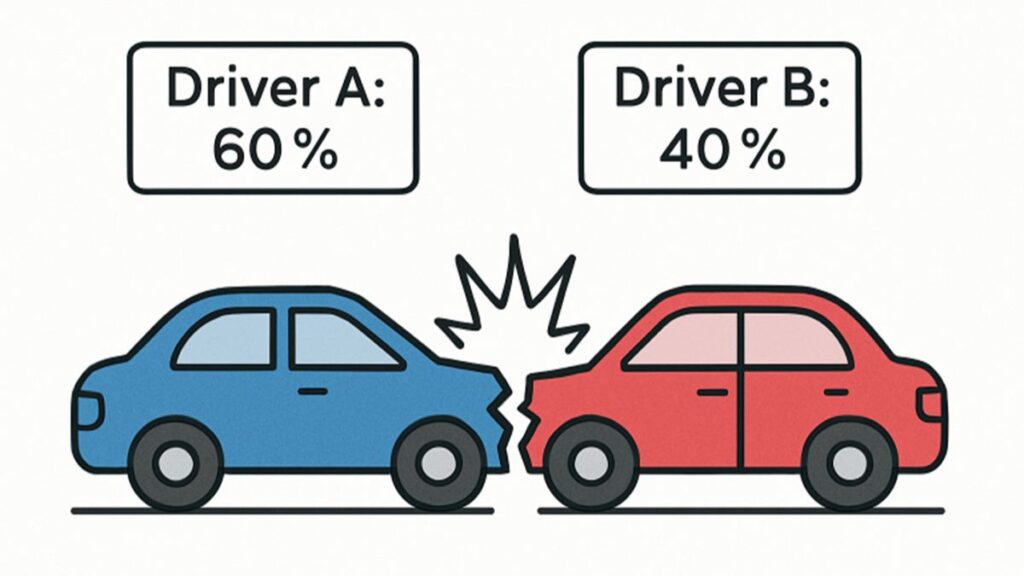
Comparative negligence is a fundamental principle in Nevada’s personal injury law that determines how blame—and thus financial responsibility—is shared among all parties involved in an accident. In contrast to states that bar recovery for those even minimally at fault, Nevada’s approach allows for partial financial recovery as long as you are not primarily (over 50%) at fault for the incident. This doctrine can make a significant difference, especially in complex accidents where both parties may have contributed to the incident through inattention, failure to follow traffic laws, or other acts of negligence.
For example, if two drivers are involved in a collision where one ran a stop sign but the other was speeding, the percentage of fault reduces any compensation on the facts and evidence provided. If the case gets complicated, expert testimonies and detailed evidence reviews often play a vital role in determining these percentages.
Nevada’s Modified Comparative Negligence Rule
Nevada operates under a “modified comparative negligence” or “50% rule.” Here’s how it works: If you are found to be 50% or less responsible for your injuries, you can seek damages from the other party or parties. However, your compensation is reduced in direct proportion to your degree of fault.
- If you are determined to be 30% at fault and total damages are $100,000, you would receive $70,000.
- If the investigation or court finds you 51% at fault, you are disqualified from financial recovery entirely.
This rule can make accident cases contentious, as parties and their insurers often attempt to shift fault beyond the 50% mark to avoid paying damages. Understanding and challenging these determinations is often an area where legal counsel is especially useful.
Determining Fault in Nevada
The impact of Nevada’s comparative negligence laws is most notable during the assignment of fault. Determining who is to blame and by how much involves reviewing police reports, gathering and analyzing physical and photographic evidence, and considering witness statements. In complex situations—like multi-car pileups or incidents involving hazardous property conditions—each factor and action taken by the involved parties will be meticulously scrutinized.
Insurers and courts may also consult accident reconstruction experts and use all available documentation to paint a clear picture of who did what and to what extent those actions contributed to the outcome. It’s important for accident victims to document everything and, when possible, consult knowledgeable third parties for support.
Impact on Compensation
How much you receive from a claim or lawsuit is tied directly to your degree of responsibility. For instance:
- If you are 20% at fault, you’re eligible to recover 80% of your damages.
- If you’re 40% at fault, your compensation is usually limited to 60% of the calculated damage; if you are more at fault, you are barred from any recovery.
This allocation of damages makes it especially crucial to contest any inflated assessment of blame by insurers. A strong case built on rigorous evidence gathering can counter attempts by insurers to unduly minimize your compensation. Victims are encouraged to take an active role in the process by staying organized, gathering their own proof, and not simply accepting an insurer’s initial determination. For more insights into safeguarding your rights in this process, the NOLO guide to Nevada car insurance requirements provides further information on what to expect.
Exceptions to Comparative Negligence
Nevada’s comparative negligence statutes do not apply to accident victims, who are essentially required to incidents involving intentional torts—such as assault or battery—use different principles. In these cases, because one party intentionally caused harm, the rules of fault apportionment do not protect intentional wrongdoers from liability, and comparative negligence isn’t considered when assigning damages.
Seeking Legal Assistance
Successfully navigating the nuances of Nevada’s comparative negligence law benefits from guidance by a qualified legal professional. Attorneys can not only assist with evidence gathering and negotiations but also advocate on your behalf if the case proceeds to court. Legal assistance is extremely important to minimize undue assessments and obtain full and fair compensation.
For accident victims unsure about their legal stance or next steps, the FindLaw resource on comparative negligence explains foundational concepts and further details on how they apply in practice.
Conclusion
Understanding Nevada’s comparative negligence laws is crucial for protecting your rights and securing the rightful compensation you deserve after an accident. Victims should be aware of how fault percentages affect damages and stay vigilant when interacting with insurance companies. With the right knowledge and professional support, you can better advocate for your interests and achieve an equitable outcome in your case.